An iron infusion is administered through an intravenous (IV) drip, allowing iron to enter your bloodstream directly.
How it works:
This method ensures rapid absorption and is especially effective for individuals who cannot tolerate or absorb oral iron supplements.

Most patients tolerate iron infusions well, but mild side effects can occur. These generally appear during or shortly after treatment and usually resolve quickly.
Common side effects:
Our clinical team closely monitors every patient throughout the infusion to ensure safety and comfort. Immediate medical support is available on-site if needed.
During your first visit, a clinician reviews your medical history, symptoms, and recent lab results to confirm that iron deficiency is present and that an iron infusion is the safest and most effective treatment option for you.
Based on your iron levels and overall health, we calculate the total iron dose you need and determine how many sessions are required, ensuring the plan is tailored to restore your iron stores efficiently and comfortably.
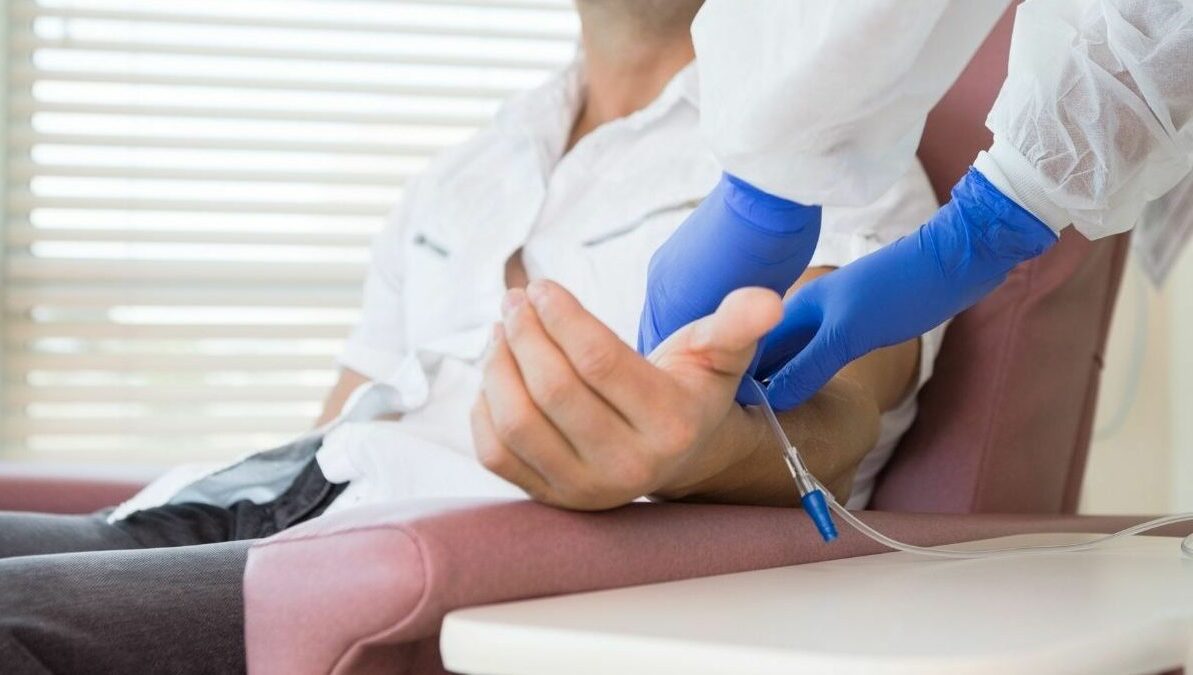
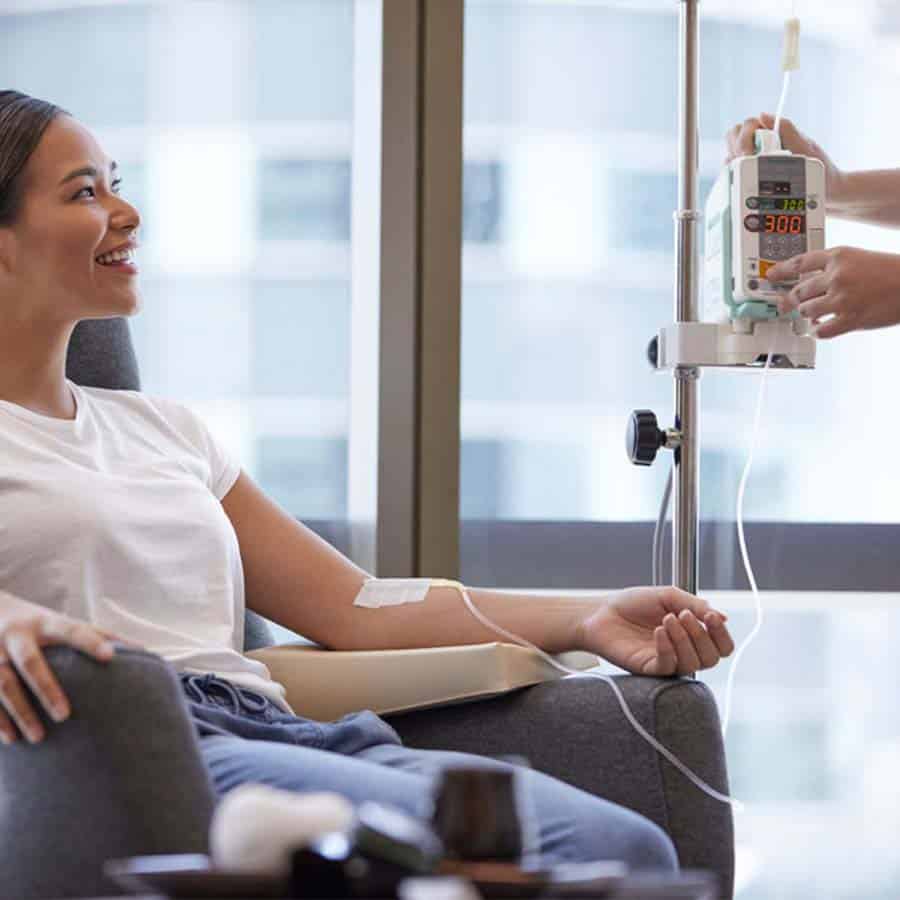
On the day of treatment, you check in and a nurse places a small IV line in your arm. The iron solution is delivered slowly through an IV drip while you relax in a comfortable setting, and your vitals are monitored throughout.
After the infusion is complete, you remain in the clinic for a brief monitoring period so our team can ensure you feel well, confirm there are no adverse reactions, and provide guidance on what to expect afterward.
A follow-up blood test is typically scheduled 4–8 weeks after your final infusion to assess your iron levels, measure treatment effectiveness, and determine whether additional therapy is needed to maintain long-term improvement.
Aside from the classic iron infusion, there are other types of infusions:
Customised blends for immunity and overall wellness.
Options like Venofer, Ferric Carboxymaltose, and Monoferric when medically appropriate.
For patients who meet specific medical criteria, we offer safe, nurse-supervised iron IV treatments at home.
Benefits of at-home infusions:
Sometimes Iron Infusions are mistakenly called Iron Transfusions. This is because of the similarly named process called a Blood Transfusion.
Here are the key differences between these two treatments:
Read our FAQs below:
An iron infusion is a simple procedure, usually completed in about 30 minutes, where an iron-containing medication is delivered directly into your bloodstream. This helps replenish iron levels in organs that need it for proper functioning. A common intravenous iron preparation is ferric carboxymaltose (FCM), marketed as FERINJECT®, which treats conditions like iron-deficiency anemia (IDA).
Iron infusions are often recommended for individuals with severe iron deficiency, especially when quick replenishment is necessary. Common scenarios include:
Improvement can take 6 to 12 weeks. Energy levels, sleep quality, mood, and memory gradually improve over time. The effects may vary, and noticeable changes might be subtle for some. If you have concerns, consult your doctor.
Modern iron infusions, like ferric carboxymaltose (FCM/FERINJECT®), are considered safe, with fewer side effects than older treatments. Rarely, allergic reactions may occur, and your doctor will discuss risks and benefits beforehand.
The procedure is generally not painful. Mild side effects may occur for 1–2 days post-infusion. Seek immediate medical attention if you experience chest pain, dizziness, or difficulty breathing.
Side effects are uncommon but may include:
Skin staining is rare but possible, occurring in 0.68% to 1.3% of cases. Doctors use techniques to minimize this risk during the procedure.
No special preparation is needed. Staying hydrated can help make vein access easier. The procedure takes about 45–60 minutes, and you can drive yourself home afterward.
Monitor your health for any unusual symptoms, such as chest pain or breathing difficulties. Contact your doctor or visit an emergency department if these occur.
Yes, driving is generally safe after an infusion. Doctors may monitor you briefly to ensure no immediate side effects.
Recovery is minimal, and most people can return to regular activities immediately. Stay hydrated and avoid strenuous exercise for a short period.
Iron deficiency is commonly diagnosed with a simple blood test.
Mild fatigue after the procedure is normal and should subside within a few days. If fatigue persists weeks after the infusion, follow up with your doctor.
Your journey towards renewed health begins at Iron Infusion Clinic. Take the first step today by scheduling an appointment with us and boost your energy levels with our specialised iron infusion treatments. Embrace the vitality you deserve.
We are a specialised group, staffed by skilled medical professionals, offering cutting-edge, evidence-based solutions for your health concerns.